How to Fit Comfortable Seating Into a Small Patio
A small patio can still feel welcoming when the seating is planned around the space rather than squeezed into it. The trick is to choose pieces that do more than one job, keep walkways clear, and leave room for people to sit without brushing past walls or planters. Durable resin outdoor furniture is a practical place to start because many chairs, lounges, stools, and dining pieces are made for regular outdoor use and are easy to move when the layout needs to change.
Work through the layout in order. Each decision affects the next one, so it helps to settle the basics before buying anything. A careful plan also makes compact spaces feel calmer, since every item has a reason to be there.
Measure the space before choosing seats
Start with the floor area you can actually use, not the full size of the patio. Mark off fixed obstacles such as door swings, steps, railings, drains, planters, wall vents, and the open space needed to pull a chair out from a table. A balcony or terrace may look generous until a door opens outward or a built-in bench takes a strip of the floor.
Write down the width and depth of the usable zone. Then sketch a rough rectangle on paper and add the obstacles. This does not need to be a perfect drawing, just a clear view of where people can walk and where furniture can sit. Pay attention to narrow necks between obstacles. Those spots often control the whole layout, even if the main area is wide.
What to watch: avoid planning a seating group that blocks a door, gate, or path to steps. If the only route through the patio is a tight squeeze, keep that route free and place seating to one side. Comfort starts with easy movement, not with the size of the cushion.
Set clear zones for sitting, eating, and moving
Divide the patio into simple layout zones. One zone might be for lounging, another for meals, and another for a clear path from the door to the edge. In a very small space, the zones can overlap. A chair that works beside a small table can also serve as extra seating when guests arrive.

Give each zone a purpose before placing furniture. If the patio is mainly for quiet sitting, a pair of chairs and a small side table may be better than a full dining set. If meals are the priority, choose a table that fits the space and chairs that tuck in close. A chaise lounge can feel comfortable, but it needs length, so it works best where there is room to stretch out without cutting across traffic flow.
What to watch: do not fill every corner. Empty space is not wasted space on a compact patio. It gives people room to pull out a chair, set down a drink, or turn around safely. A layout that looks a little sparse on paper often feels much easier in use.
Choose seating by footprint, not by appearance alone
Once the zones are clear, compare the chair footprint of each piece. This means the floor space the chair occupies when in use, plus the space needed to sit and stand around it. A slim frame can still feel cramped if the seat is shallow or the arms sit too close. A wider chair may be more comfortable but can overwhelm a narrow terrace.
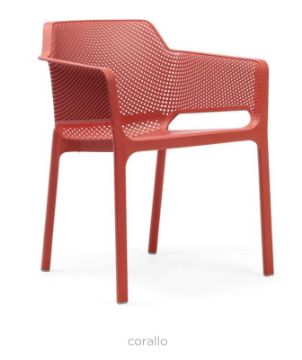
Resin chairs with clean lines can suit small patios because they tend to sit neatly around a table and can be moved without fuss. Look for a seat shape that supports a relaxed posture, with enough depth for sitting for more than a few minutes. If space allows, mix one more generous seat with smaller pieces rather than filling the patio with full-size chairs everywhere.
This is where compact outdoor chairs can earn their place, especially when they are used in pairs or grouped around a small table. Their smaller frame helps preserve clearance space, but comfort still comes first. Check the seat height, back angle, and arm placement, since a chair that is too low or too upright may look neat yet feel uncomfortable after a short stay.
What to watch: measure the widest part of the chair, including arms and any overhang. Then add room to slide the chair back. If chairs will stay outdoors most of the time, consider how easily they can be moved for cleaning or storms. A piece that is light enough to shift is useful in a small setting.
Use stackable pieces where flexibility matters
Stackable patio furniture is especially useful when the patio has to serve several purposes. Chairs can be brought out for a meal, then stacked away to open the floor for a lounger, a game, or simply more breathing room. This approach suits balconies, terraces, poolside areas, and dining corners where the number of people changes.
Before choosing stacked seating, check the stacking height. A set that rises too high may lean against a wall, block a view, or feel unstable in a windy spot. Stacked chairs should sit squarely on level ground and be stored where they will not catch on a door path. If the stack will be visible every day, choose a design and color that looks tidy rather than temporary.
Another point is how the chairs stack. Some designs nest neatly and lift straight up, while others need a slight angle. If the stack will be handled often, simple movement matters. Chairs that catch, scrape, or tilt can make the habit of stacking feel like a chore.
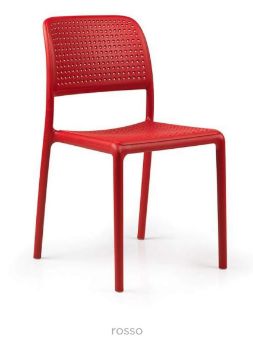
What to watch: leave a dedicated storage spot for the stack, even if it is only a corner beside a planter or screen. Do not stack chairs in a way that puts weight on arms, planters, or table edges. Keep the stack away from door swings and busy walkways.
Match table size to the way the patio is used
A table can make a small patio feel useful, but an oversized one can take over the whole floor. Choose a shape that fits the seating plan. Round tables soften tight corners and make conversation easy, while square or rectangular tables can sit neatly along a wall or railing. A small side table may be enough for drinks and snacks if full meals happen elsewhere.
Leave enough clearance space around the table for people to sit and stand. Pull one chair out and imagine the movement needed to get in and out. If that movement crosses the main path, the table is too close to the route. Moving the table slightly off center can sometimes solve the problem without reducing seating.
What to watch: check the table surface as well as the base. A broad pedestal or four widely set legs can reduce legroom even when the tabletop seems small. If the patio is shared with children or pets, a stable base and rounded edges are worth considering.
Add comfort without adding clutter
Comfort in a compact patio comes from small choices. Cushions can soften resin chairs, but thick pads may make a tight layout feel crowded. Choose cushions that fit the seat properly and can be removed when not needed. If they are left outside, make sure the fabric is suited to outdoor use and can dry after rain.
A bench can save space along a wall, though it may not replace the ease of individual chairs. A lounge chair can turn a narrow corner into a restful spot, provided it does not interrupt traffic flow. Poolside seating benefits from pieces that are easy to move and simple to live with, especially when wet feet and towels are part of daily use.
Shade also affects comfort. A small umbrella, pergola, or shade sail can make seating more pleasant in hot weather, but each needs its own space. Check that any shade structure is fixed securely and suitable for outdoor conditions. If installation involves structural work, wiring, or working at height, leave that part to a qualified professional.
What to watch: accessories should have a home. Cushions, throws, and small tables can quickly turn a neat patio into a crowded one. If an item has no clear place, it may be better left out.
Test the layout before committing
Before making final changes, place the furniture in the patio and live with the arrangement for a short period. Move a chair slightly if reaching the door feels awkward. Shift a table if people have to turn sideways to pass. On a terrace or balcony, check how the layout feels when more than one person is outside at the same time.
Pay attention to daily friction. A seating plan works well when small actions feel easy: opening the door, carrying a tray outside, sitting down without moving three other pieces, and putting chairs away without a struggle. If one action is repeatedly annoying, change the layout rather than accepting the problem.
What to watch: look at the patio at different times of day. Sun, shade, wind, and evening use can all change where seating feels best. A corner that seems pleasant at midday may feel exposed later, while a shaded spot may be more useful in the afternoon.
Keep the final arrangement simple
A comfortable compact patio rarely needs a large number of pieces. Two good chairs, a small table, and one flexible extra seat can be more useful than a crowded set. Stackable seating helps when plans change, and durable resin pieces can be moved and rearranged as the patio evolves.
The best layout is the one that makes the space easy to use. Keep paths open, choose seats that support real relaxation, and let the furniture serve the patio rather than fill it. With measured choices and a little adjustment, even a tight outdoor area can feel settled, practical, and inviting.